
Loading...
Serving Chino, CA and surrounding areas. (909) 479-6882
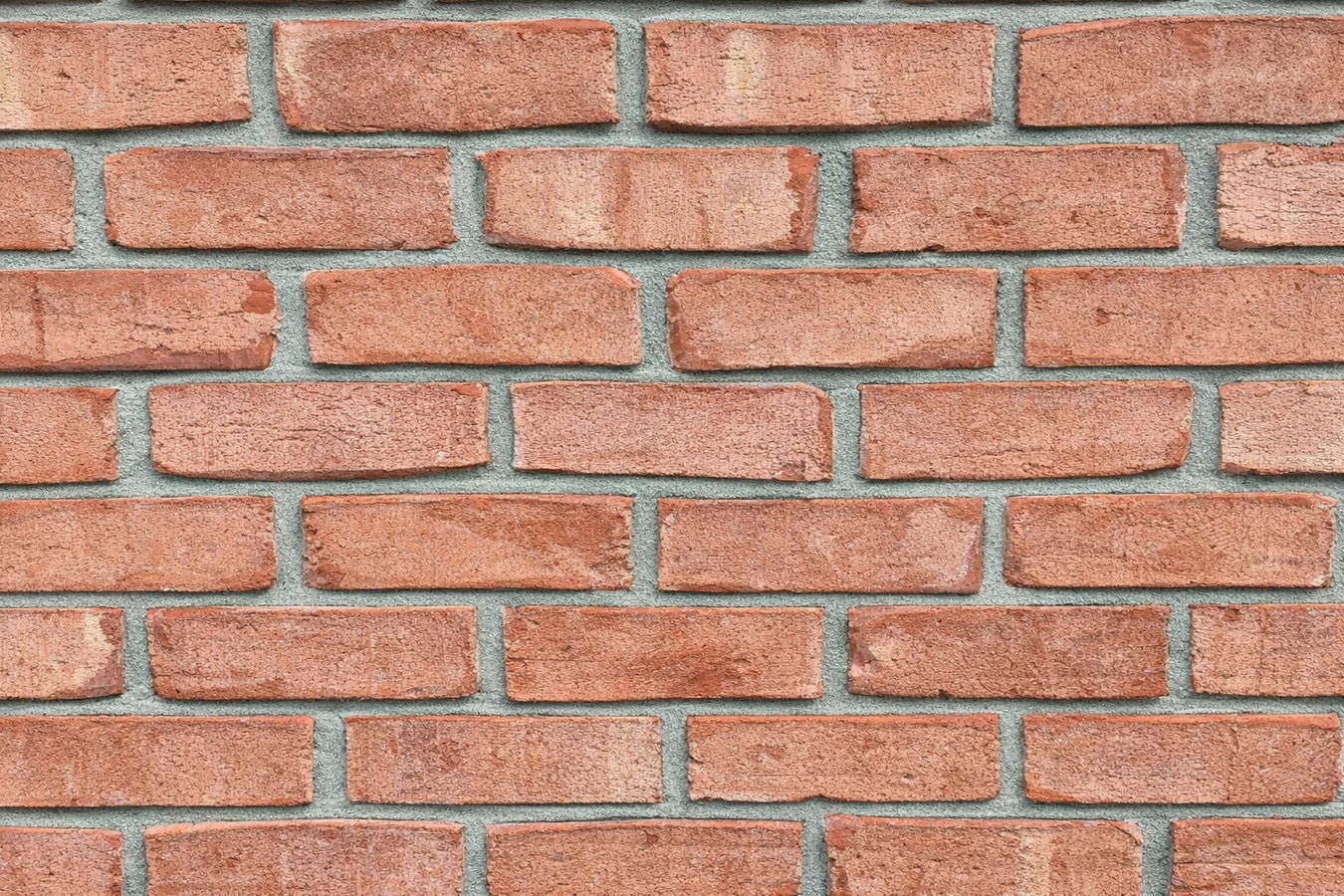
Chino's heat and clay soil are hard on mortar. When joints start crumbling, we cut out the old material and pack in fresh mortar that holds up through triple-digit summers and seasonal soil movement.
Tuckpointing in Chino means removing deteriorated mortar from the joints between bricks or blocks and replacing it with fresh material - most jobs on a single-family home take one to three days and do not require the wall to come down. The joints are the thin lines of mortar holding your masonry together, and once they fail, water gets in behind the wall. In Chino, where summer temperatures regularly exceed 100 degrees and the soil under most homes expands and contracts with every wet and dry season, mortar tends to break down faster than in cooler coastal areas.
Most Chino homes built between the 1970s and early 2000s are now old enough that the original mortar is either failing or close to it. You may not see obvious damage from the street - mortar can look intact from a distance while being soft and crumbling up close. If your home also has a brick chimney, the joints near the top are especially vulnerable because chimneys take more direct sun and weather exposure than any other part of the structure. Chimneys that need tuckpointing often also need chimney repair work addressed at the same time to prevent water from entering through multiple points.
Catching deteriorating mortar early is almost always cheaper than repairing the damage that follows - water that gets behind a wall in Chino's clay soil has nowhere to drain quickly, and the resulting damage to interior framing, mold growth, or foundation stress can cost many times what a tuckpointing job would have.
Run your finger along the mortar lines between your bricks. If the mortar feels soft, powdery, or crumbles away easily, it has broken down enough to let water in. In Chino's dry heat, this happens faster on south- and west-facing walls that get the most afternoon sun.
That chalky white residue - called efflorescence - forms when water moves through masonry and carries dissolved salts to the surface. In Chino, where Santa Ana winds and summer heat dry out mortar quickly, this staining means moisture is already getting behind the wall through failing joints. It is not just cosmetic.
Diagonal cracks that step from joint to joint in a staircase pattern often indicate the kind of soil movement common in Chino's clay-heavy ground. These cracks let water in and tend to widen over time if left alone - especially after wet winters when the soil expands and then contracts again through the dry summer.
Chimneys take more weather exposure than any other part of a home. If the joints near the top of your chimney look recessed, dark, or uneven compared to the lower sections, the upper joints need attention. A chimney that leaks can cause water damage inside your home - and the repair cost climbs fast once water reaches interior framing.
Most tuckpointing projects fall into one of two categories: targeted spot repointing on a specific wall section or chimney, or larger-scale work covering a full facade or garden wall. For homeowners with brick-accented homes from the 1980s or 1990s, a full facade repoint is often the right call once the mortar hits a certain age - it is more cost-effective to address everything at once than to patch individual spots every few years. Where joints are only failing in isolated areas, spot repointing lets you fix the problem without touching masonry that still has years of life left.
If your masonry also has individual bricks that are cracked, spalled, or loose, tuckpointing alone will not fix that - those bricks need to be replaced as part of a brick repair job. Similarly, if crumbling mortar on an older chimney has let water into the flue liner, you may need a combined approach that includes tuckpointing plus brick pointing to seal every gap. We assess the full structure during the estimate and tell you exactly what is needed.
Best for homeowners whose chimney joints have receded or show visible gaps - before water works its way inside.
Suited for block or brick walls with deteriorating joints that are starting to lean, stain, or let moisture through.
For homes with brick-accented exteriors where the mortar joints are past their useful life and affecting curb appeal.
Targeted repairs for isolated sections of wall with accelerated wear - common on south-facing surfaces in Chino.
Chino sits in the Inland Empire where summer temperatures regularly exceed 100 degrees. That kind of sustained heat dries out mortar faster than in coastal Southern California, causing it to shrink and crack. South- and west-facing walls - the ones that take the full force of afternoon sun - tend to fail sooner than the shaded sides of the house. Chino's fall and winter Santa Ana wind events compound the problem by pushing hot, dry, abrasive grit into already-weakened joints, accelerating erosion after every wind season. If you notice mortar dust or sandy residue along the base of your walls after a wind event, that is a reliable signal to have the joints inspected. Learn more about how we work with homeowners in Ontario, CA and Rancho Cucamonga, CA where we see the same climate conditions at work.
Chino also sits on clay-heavy soils that expand when wet and shrink when dry - a cycle that repeats every year as the rainy season comes and goes. That seasonal movement puts stress on masonry walls and chimneys, causing joints to crack or separate even when the mortar itself is relatively young. Diagonal cracking patterns in mortar joints - especially staircase-shaped cracks that step from joint to joint - often reflect this soil movement rather than simple age. California's California Building Standards Commission sets requirements for masonry repairs on structures where soil movement or seismic activity is a contributing factor - your contractor should know what applies to residential work in San Bernardino County.
We respond within 1 business day. You describe what you are seeing - soft mortar, staining, cracks - and we come prepared with a realistic sense of scope before we arrive.
We walk the wall or chimney with you, check joint depth and hardness, and look for staining or cracking patterns. Then we provide a written estimate that explains what will be done and why.
Old mortar is cut out to a consistent depth using angle grinders. The area will be dusty and noisy during this phase - close windows on that side of the house and move any patio furniture clear.
Fresh mortar is packed in, tooled to match the original joint profile, and the brick faces are cleaned as we go. Most jobs are done in one to three days. Curing takes 24 to 48 hours before the joints can get wet.
We respond within 1 business day - no obligation to book. After you submit, someone from our office calls to schedule a free on-site estimate at your home in Chino. We look at the full structure, not just the spot you called about, and we explain exactly what we find.
(909) 479-6882Every masonry job in California requires a valid contractor license from the CSLB. Our license covers the full scope of tuckpointing and masonry repair work in Chino and the surrounding Inland Empire.
We have worked on homes throughout Chino's housing stock - from 1980s tract homes with original brick chimneys to newer properties in south Chino where soil movement is more pronounced. We know what local conditions do to mortar.
We mix a test batch, apply it to an inconspicuous area, and let it dry before committing to the full job - because mortar always dries lighter than it looks when wet. Color matching is part of every project, not an afterthought.
You receive a written quote that explains the scope, timeline, and cost before we touch anything. No surprise charges, no pressure. If you need HOA approval first, we help you understand what documentation to submit.
Tuckpointing done right the first time saves Chino homeowners from paying twice. We verify our license with the California Contractors State License Board, and you can look us up there before you call.
Individual bricks that are cracked, spalled, or loose need more than tuckpointing - brick repair addresses the bricks themselves, not just the joints between them.
Learn MorePrecision joint finishing for chimneys and walls where the mortar profile needs to match the original texture and slope to shed water correctly.
Learn MoreChino's heat and soil movement are working on your masonry right now - a free estimate costs nothing and tells you exactly where you stand.