Loading...
Serving Chino, CA and surrounding areas. (909) 479-6882
Precision Chino Masonry handles stone masonry, chimney restoration, and brick repair on Claremont homes, including the Craftsman bungalows and Spanish Colonial Revival houses near the Claremont Colleges that need materials-matched mortar work. We reply within 1 business day.
Precision Chino Masonry handles stone masonry, chimney restoration, and brick repair on Claremont homes, including the Craftsman bungalows and Spanish Colonial Revival houses near the Claremont Colleges that need materials-matched mortar work. We reply within 1 business day.
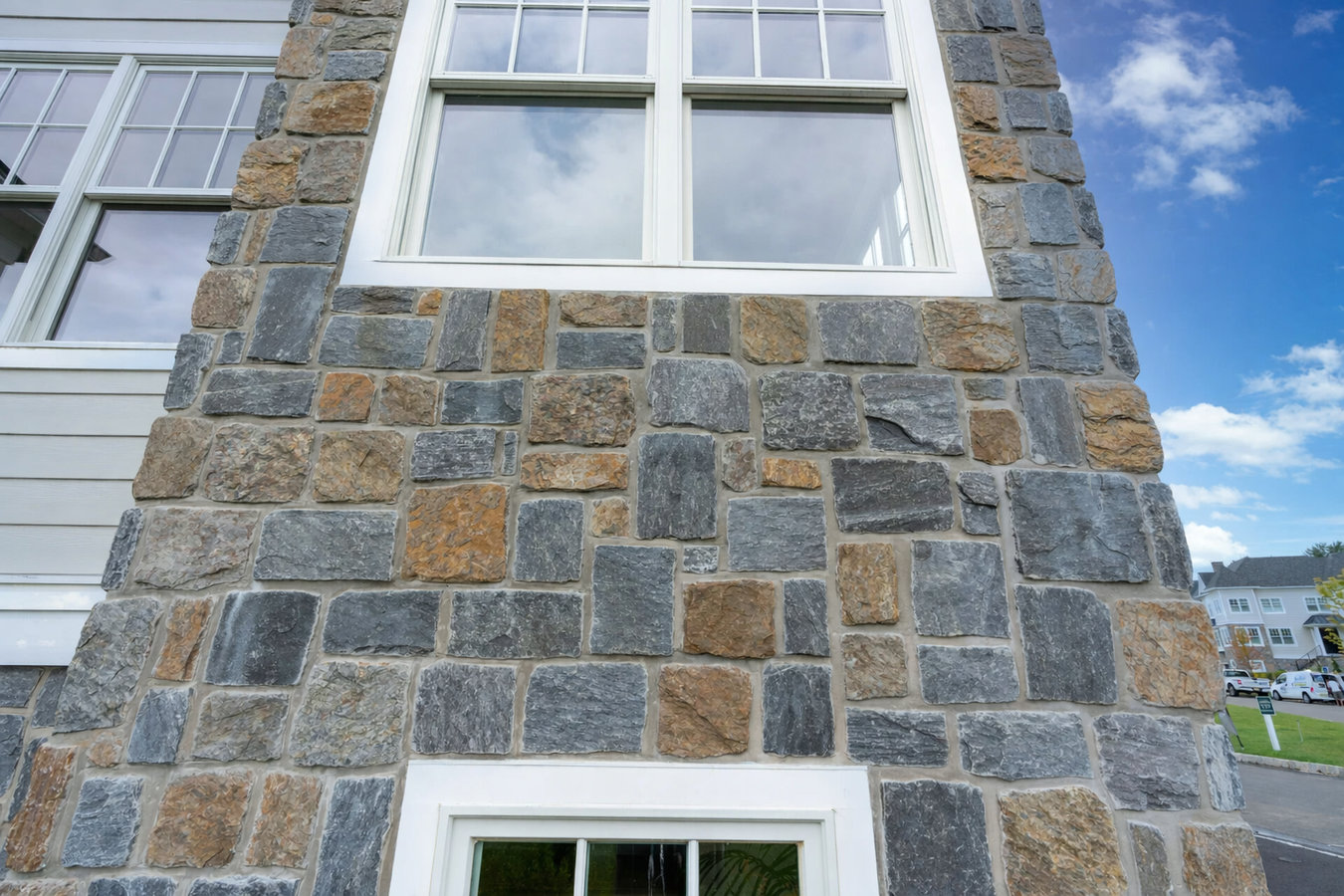
Claremont has more natural stone masonry on residential properties than most Inland Empire cities - fieldstone garden walls, stone-clad chimneys, and rubble stone retaining walls built as far back as the 1920s are common in neighborhoods near the Claremont Colleges. When those original walls crack, lean, or lose mortar, they need a contractor who understands lime-based mortar matching and hand-set stone technique. Our stone masonry service covers repairs and new construction for Claremont homeowners who need work that respects the character of an older home.
Claremont homes built in the 1920s through 1960s have brick and stone chimneys that are now 60 to 100 years old, and the mortar joints on those chimneys have been through decades of thermal cycling and Santa Ana wind seasons. Failed mortar at the cap or crown lets water into the masonry below, where it works through freeze-thaw and wet-dry cycles that crack brick from the inside out. We repair chimney mortar joints, rebuild chimney crowns, and address structural cracks on Claremont chimneys using mortar that matches the original composition.
Craftsman bungalows and Spanish Colonial Revival homes in Claremont have original brick and stone details - porch columns, decorative caps, arch borders, and low garden walls - that cannot simply be replaced with modern materials without losing what makes the house look right. Masonry restoration on these homes requires sourcing period-compatible materials and matching mortar joint profiles so new work integrates with old. We work on Claremont homes where getting the original character back matters as much as fixing the structural problem.
Pre-war brick homes and garden walls in Claremont were originally built with lime mortar that is now carbonated and crumbling in the joints. Open joints on exterior brick let moisture behind the face, which causes bricks to spall when the trapped water freezes on cold January nights or cycles through the wet-dry seasons. Repointing with the correct lime-based mortar closes those openings, protects the brick, and extends the life of the wall without stressing the original masonry the way hard Portland cement mortar would.
Homes in northern Claremont near the Thompson Creek Trail and the San Gabriel Mountain foothills sit on properties where the grade drops off sharply at the rear of the lot. Original retaining walls on those properties are often 40 to 60 years old, and walls built without weep holes or drainage aggregate behind them have built up hydrostatic pressure that causes forward lean and face cracking. We build new retaining walls and rebuild failed ones for Claremont hillside properties with proper drainage integrated into the structure.
Claremont homes built before 1950 often have unreinforced masonry foundations or shallow concrete footings that were not engineered to modern standards. As the city's clay soils expand and contract through seasonal wet-dry cycles, those original foundations experience movement that newer, deeper foundations handle more easily. Diagonal wall cracks originating at door corners, uneven floors, and doors that stick in summer are the common signs. We repair foundations on Claremont homes and coordinate with the city building department for required structural permits.
A large share of Claremont's housing stock was built between the 1920s and 1960s, and the masonry on those homes - chimneys, stone garden walls, brick porch columns, and rubble retaining walls - is now 60 to 100 years old. Original construction used lime-based mortars that were appropriate at the time but have since hardened and lost their flexibility. When contractors repair these homes using modern Portland cement mortar, the stiffer repair material causes adjacent original brick and stone to spall because the joint can no longer flex. A masonry contractor working in Claremont needs to know the difference, and needs to be willing to source lime putty mortar and period-compatible brick when the job requires it.
The climate in Claremont adds its own demands. Hot, dry summers with temperatures reaching the 90s accelerate mortar joint weathering and cause stone and brick to absorb and release heat rapidly, stressing the bond. Santa Ana winds in fall and winter put direct pressure on chimney tops and garden walls. The rainy season from November through March sends water into any open joint or crack and drives it deeper into the masonry assembly. Homes in northern Claremont near the foothills also sit in areas designated as high fire hazard severity zones by CAL FIRE, which affects what materials and methods can be used on exterior improvements. Taken together, these conditions make Claremont one of the more demanding environments for masonry work in the region.
Our crew works throughout Claremont regularly, and the type of property we encounter most often is a 1930s-1950s single-family home on a tree-lined street in the neighborhoods closest to the Claremont Colleges. These homes have original stone or brick masonry that requires a different approach than the stucco-and-concrete work that makes up most residential masonry calls in the surrounding area. We come prepared for lime mortar work, period brick matching, and the careful hand-setting that rubble stone repairs require.
Claremont sits at the eastern edge of Los Angeles County, with Foothill Boulevard running east-west as the main commercial corridor and the Claremont Colleges clustered near the center of the city. The Village, the city's walkable downtown district, sits just south of the colleges and is surrounded by some of the oldest residential streets in the city. Permits for work on homes near historic districts route through the City of Claremont Community Development Department, and we coordinate with that office when the project requires it.
We also serve Montclair, CA to the south and Pomona, CA to the east. If you are a Claremont homeowner dealing with a chimney, stone wall, or brick repair that needs a contractor who understands older construction, call us or send a message and we will get back to you within 1 business day.
Reach out by phone or through our contact form with a brief description of the work and, if possible, a photo of the area you need repaired. We reply to all Claremont inquiries within 1 business day.
We visit the property, look at the masonry closely, and give you a written estimate before any work starts. For older Claremont homes, this step includes identifying the original mortar type and whether materials matching is required - which affects cost and timeline, and we explain both clearly.
Work starts on the scheduled date. For mortar repointing and stone repair on historic homes, the homeowner does not need to be present for most of the job, though we appreciate being able to ask questions on-site if a detail arises. We keep the work area clean and remove all debris.
When the work is done, we walk through the completed project with you and explain any curing or maintenance steps - particularly important for lime mortar repairs, which should not be painted or sealed for several weeks after application.
We work on Claremont homes regularly - from older bungalows near the Colleges to newer hillside properties near the foothills. No obligation, free estimate.
(909) 479-6882Claremont is a city of roughly 36,000 people at the eastern edge of Los Angeles County, tucked against the base of the San Gabriel Mountains. It is best known for the Claremont Colleges, a consortium of seven nationally recognized institutions whose campuses sit near the center of the city and define much of its character. The neighborhoods immediately surrounding the colleges contain some of the oldest housing in the Inland Empire - Craftsman bungalows, Spanish Colonial Revival houses, and brick-detailed homes built between the 1920s and 1950s on tree-lined streets with mature landscaping. High owner-occupancy rates and above-average household incomes mean these properties are generally well maintained and owned by people who take an interest in doing repair work correctly.
The northern parts of Claremont, closer to the San Gabriel Mountain foothills and the Thompson Creek Trail, have a different character - newer single-family homes built in the 1980s and 1990s on larger lots with stucco exteriors and tile roofs. These properties border designated fire hazard zones and deal with different masonry demands than the older neighborhoods closer to The Village. Between those two zones, Claremont has a wide range of housing ages and styles that keeps masonry contractors busy year-round. Nearby communities we also serve include Pomona, CA to the east and Montclair, CA just south along the 10 Freeway corridor.
Build engineered retaining walls that hold soil and prevent erosion.
Learn MoreTransform any surface with beautiful, low-maintenance stone veneer.
Learn MoreSolid concrete block walls built for security, privacy, and durability.
Learn MoreConstruct robust block wall foundations that support your structure.
Learn MoreProfessionally laid walkways that are safe, level, and visually appealing.
Learn MoreClassic brick walls installed with precision for beauty and longevity.
Learn MoreWhether your home is a 1930s bungalow near the Colleges or a newer hillside property by the foothills, we know Claremont and we are ready to help. Call us or send a message today.