
Loading...
Serving Chino, CA and surrounding areas. (909) 479-6882
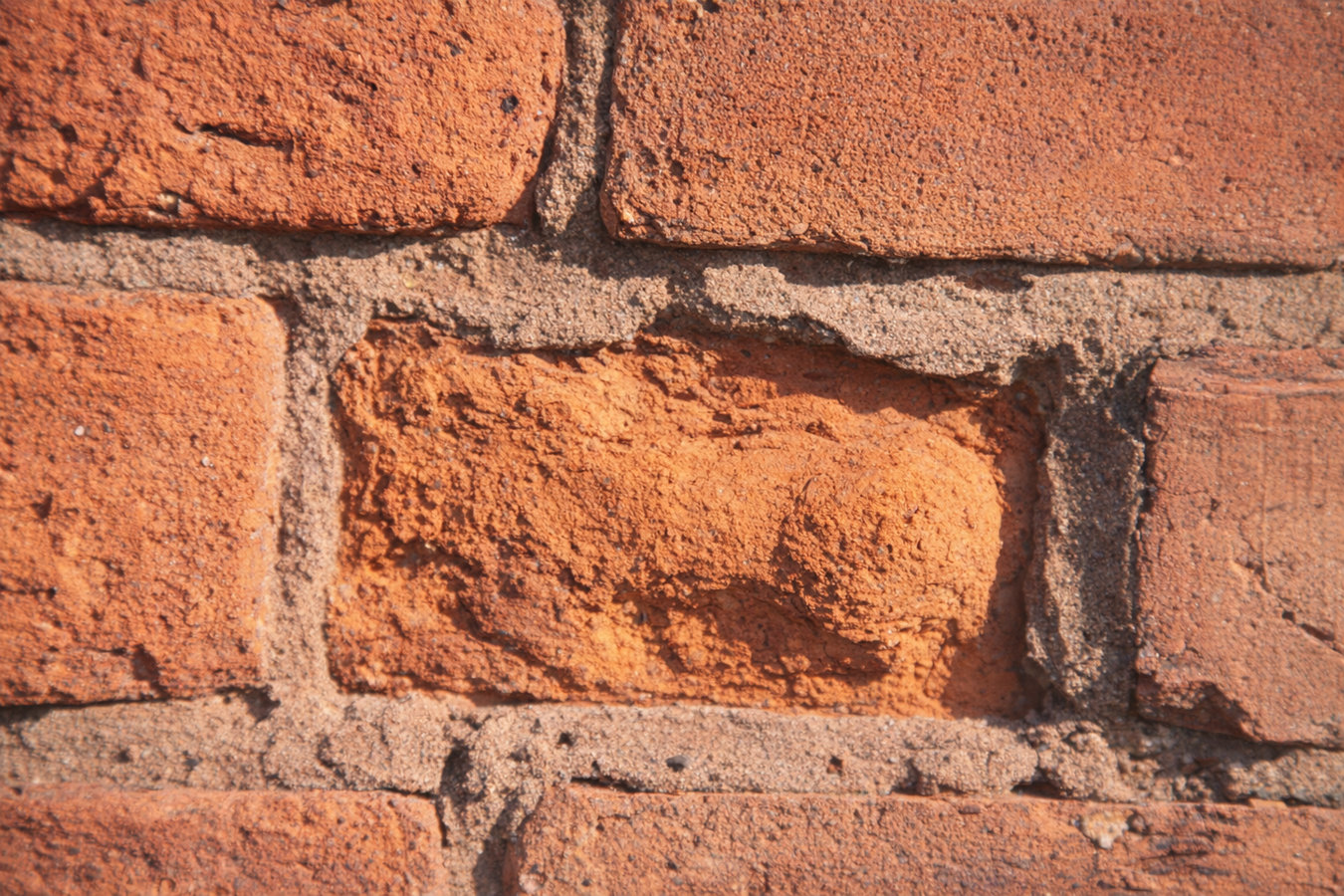
Failing mortar lets water in. Chino heat, seismic movement, and irrigation cycles make it happen faster here than in most markets. We remove the damage and replace it with mortar matched to your wall.
Brick pointing in Chino means removing the old, crumbling mortar between your bricks and replacing it with fresh mortar - most jobs on a single wall or chimney take one to three days, with larger exterior projects running up to a week. Mortar is softer than brick by design: it is built to absorb moisture and movement so the bricks themselves do not crack. When the mortar fails, water gets behind the wall, and that is when you start seeing bigger problems like spalling bricks, interior water damage, or shifting foundations. The Brick Industry Association notes that quality repointing done with the right mortar mix should last 20 to 30 years or more.
Chino homeowners tend to need repointing sooner than most, for a few reasons. Summer heat here regularly exceeds 100 degrees, which dries mortar out and makes it brittle faster than in coastal markets. The area also sits near active fault systems, and even minor ground movement opens hairline cracks that let moisture in. Many homes in Chino's established neighborhoods were built in the 1960s through the 1980s with mortar formulations that are now well past their expected lifespan. Catching failing joints early is almost always cheaper than waiting - a principle that applies equally to related work like foundation repair, where unchecked water intrusion compounds into structural damage over time.
If your brick walls have started showing white streaks, soft joints, or visible cracking after recent ground movement, those are signs worth acting on before the next rainy season. When the damage goes beyond the mortar joints and involves the bricks themselves, that work connects with masonry restoration, which we handle as a comprehensive repair covering both the joints and the surrounding brick surface.
Run a finger along the joints between your bricks. If the mortar crumbles, flakes off, or feels soft and powdery, it is no longer doing its job. This is the most direct sign that repointing is needed and something you can check yourself in five minutes on a dry afternoon. Waiting until the mortar is completely gone means water has likely already been working behind the wall.
After any noticeable tremor, walk your brick walls and look for new hairline cracks in the mortar joints. Chino sits near active fault systems, and even minor seismic movement - the kind you barely feel - can open cracks that let water in. These are easy to miss until the damage compounds. A post-tremor inspection takes less than ten minutes.
White powdery streaks on a brick wall are called efflorescence - mineral salts pushed to the surface by moisture moving through the wall. In Chino, irrigation systems that hit exterior walls regularly make this more common. The streaks themselves are not dangerous, but they signal that water is getting in through failing mortar joints somewhere.
If you notice water stains or damp spots on interior walls that back up to an exterior brick surface, water is likely getting through failing mortar joints. This is a more advanced sign - it means the problem has been developing for a while and should be addressed before it reaches the wall framing or causes mold.
We handle repointing on exterior walls, chimneys, garden walls, retaining walls, and other brick structures throughout Chino. Every job starts with a site walkthrough where we assess which joints need to be replaced and which are still sound - we do not replace mortar that does not need replacing, because unnecessary removal can damage brick edges. The mortar mix we use is selected based on your specific brick type and the local climate: mortar that is too hard for your existing bricks will cause the bricks themselves to crack over time, which is a far more expensive problem than worn joints.
For homes where the mortar joint damage also involves cracked or spalling brick faces, we extend the scope to cover the brick surface as well through masonry restoration. When the structure itself - a foundation, retaining wall, or load-bearing wall section - has been compromised by years of water intrusion through failed joints, that work may overlap with foundation repair, which we assess during the same site visit.
For homeowners with aging mortar on perimeter or boundary walls where joint failure has allowed water intrusion over multiple seasons.
For Chino homeowners whose chimney mortar has eroded from heat cycling and occasional moisture - a common repair on homes built before 1990.
For outdoor brick structures where settling soil or irrigation contact has accelerated mortar breakdown in the lower courses.
For homes that have experienced joint cracking from minor ground movement - inspected, cleaned out, and repointed before water compounds the damage.
Chino sits in the Inland Empire, where summer heat regularly exceeds 100 degrees. That sustained heat causes mortar to dry out and become brittle faster than in coastal areas - joints that might last 30 years near the beach may need attention in 15 to 20 years on a south-facing Chino wall. Chino also sits near active fault systems, and even minor seismic events that residents barely notice can open hairline cracks across multiple mortar joints at once. We regularly inspect brick walls in Pomona, CA and surrounding cities after ground movement events - it is one of the most consistent sources of repointing calls we receive in this region.
Hot-weather curing is a specific skill that separates experienced Inland Empire masons from those who do not work here regularly. Mortar packed into joints during afternoon heat in Chino can dry too fast and crack before it cures fully - a defect that often does not appear until the following rainy season when water gets behind the new joints. We schedule heavy work for early morning and mist fresh joints during the day when needed. Homeowners in Rancho Cucamonga, CA face the same challenge, and we apply the same hot-weather discipline on every project in the corridor.
We respond within 1 business day. A mason will walk the wall with you, point out which joints need replacing, and explain what they are seeing in plain terms. You do not need to prepare anything before this visit.
You receive a written estimate before any work begins. We note the mortar color match approach and which areas we will address. For walls in HOA communities, we flag any approval steps you may need to take before we schedule the work.
The crew uses grinders or chisels to remove old mortar to a consistent depth - typically three-quarters of an inch. Then fresh mortar is packed into the joints by hand, working in sections. Expect grinding noise and dust during this phase. A crew rushing through this step is a warning sign.
Once mortar is packed and shaped, we clean excess material off the brick faces and walk you through every area we worked on. Fresh mortar needs 24 to 48 hours before it gets wet. In Chino's summer heat, we may have already misted the joints during work to slow the drying process and prevent early cracking.
We walk the wall before quoting. No phone estimates, no surprise final bills.
(909) 479-6882Mortar that is too hard for the bricks it is paired with causes the bricks themselves to crack - a much more expensive problem than worn joints. We assess your existing wall and select a mortar mix appropriate for your brick type and local conditions. The Brick Industry Association publishes technical standards on mortar selection that guide how we approach every repointing job.
We have repointed brick walls throughout Chino - from older neighborhoods where 1960s-era mortar is well past its lifespan, to newer developments where seismic movement and hard water irrigation have accelerated joint breakdown. We know what local conditions do to mortar and we account for it in the mix we use.
Chino summers regularly push past 100 degrees, and mortar that dries too fast will crack before it hardens properly. We schedule repointing work in the early morning hours during hot weather and mist fresh joints as needed throughout the day - standard practice for a contractor with real Inland Empire experience.
We walk the wall and assess the damage before quoting - which means the number you see reflects what we actually find, not a guess over the phone. The estimate you agree to at the start is what you pay at the end.
Put those together and you get a contractor who has been working in Chino since 2016, understands what local heat and seismic conditions do to mortar over time, and gives you a written price based on what they actually see at your property - not a guess over the phone.
When years of water intrusion through failed mortar joints has reached the foundation - assessed and repaired before structural movement sets in.
Learn MoreWhen damage goes beyond the joints and the brick faces themselves need cleaning, patching, or rebuilding alongside fresh mortar.
Learn MoreBook now before summer heat sets in - mortar cures better in cooler weather and your walls will hold up longer for it.